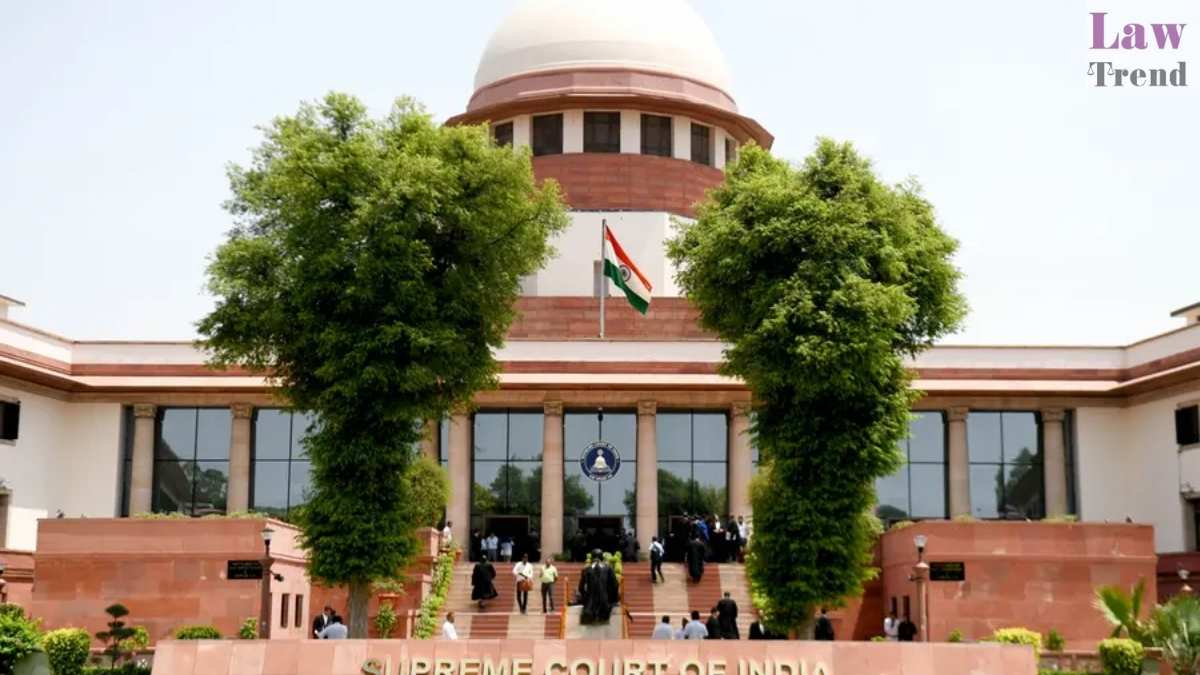
The Supreme Court on Tuesday delivered a split verdict regarding the constitutional validity of Section 17A of the Prevention of Corruption Act, a 2018 amendment that mandates prior government sanction before investigating a public servant for alleged corruption. Due to the divergence in views between the two presiding judges, the matter has been referred to the Chief Justice of India, Surya Kant, to constitute a larger bench for a final adjudication.
The Divided Bench
The division bench, comprising Justice BV Nagarathna and Justice KV Viswanathan, held diametrically opposite views on whether the protective shield granted to government officials stands the test of constitutionality.
Justice BV Nagarathna struck down Section 17A, declaring it unconstitutional. In her opinion, the requirement of prior sanction is contrary to the very objective of the Prevention of Corruption Act. She observed that the provision effectively “forecloses inquiry” and acts as a protective layer for corrupt officials rather than facilitating justice.
Conversely, Justice KV Viswanathan upheld the validity of the provision. Emphasizing the necessity of safeguarding honest officers from harassment and frivolous probes, he argued against striking down the section. Justice Viswanathan remarked that removing the provision entirely would be akin to “throwing the baby out with the bath water,” adding that the “cure will be worse than the disease.”
Context: Section 17A and the Controversy
The legal battle stems from a Public Interest Litigation (PIL) filed by the NGO ‘Centre for Public Interest Litigation’ (CPIL), challenging the 2018 amendment.
Section 17A was introduced into the Prevention of Corruption Act, 1988, in July 2018. The provision bars police and investigative agencies from conducting any “enquiry or inquiry or investigation” into a public servant regarding recommendations or decisions made in the discharge of their official duties without securing prior approval from a competent authority.
Critics of the amendment have long argued that it creates a significant bottleneck in corruption investigations, potentially shielding high-ranking officials from scrutiny. Proponents, however, maintain that it is a necessary filter to allow bureaucrats to make bold decisions without fear of malicious prosecution.
What Happens Next?
In light of the disagreement between the two judges, the operative order states that the case files will be placed before Chief Justice of India Surya Kant. A larger bench—typically comprising three or more judges—will now be formed to hear the arguments afresh and deliver a conclusive judgment on whether Section 17A will remain on the statute books.