

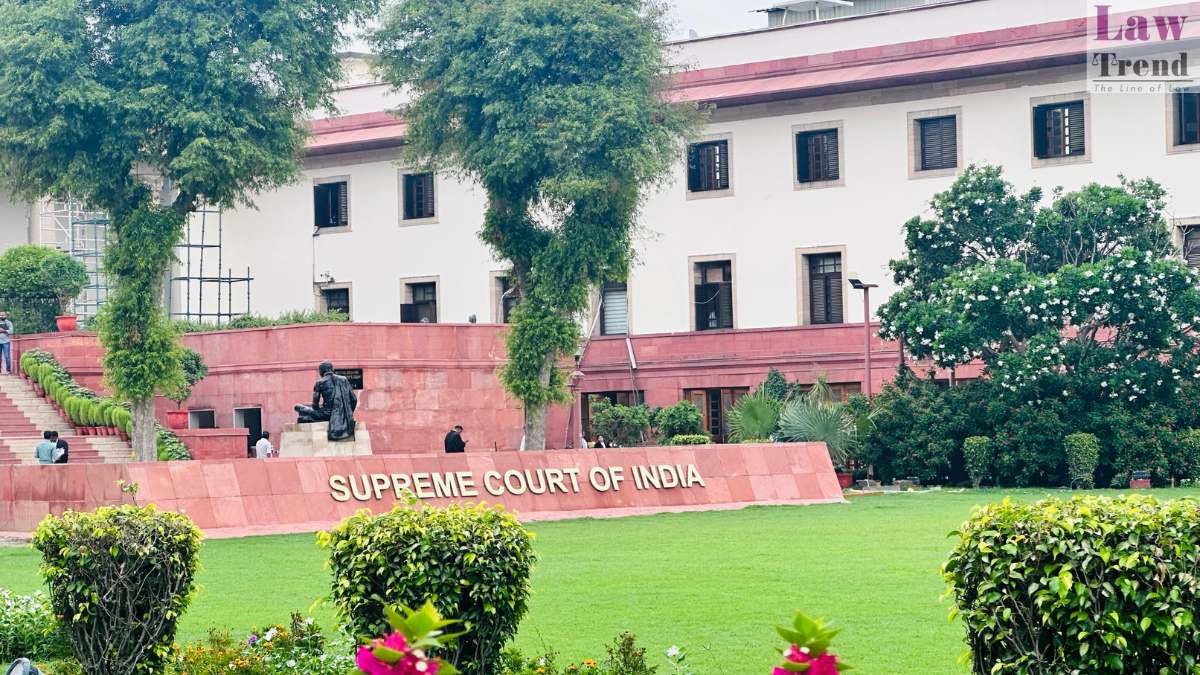
The Supreme Court has granted bail to Ajay Kumar Nayyar, who has spent more than four years in custody on charges of cheating a businessman of ₹3.9 crore by allegedly posing as the nephew of Union Home Minister Amit Shah.
A bench of Justices J K Maheshwari and Vijay Bishnoi noted that Nayyar has already undergone over four years of incarceration, while the maximum sentence for the offences he currently faces under Sections 419, 420, 120B and 34 of the Indian Penal Code is seven years.
The court observed that the pace of the trial made continued custody unjustified. Charges were framed in 2022, yet even after three years, the cross-examination of the first prosecution witness is still ongoing. With 34 witnesses in total, the bench said the proceedings are clearly expected to take considerable time.
“In our view, the trial shall take time to conclude,” the judges noted while allowing the bail plea.
Additional Solicitor General Vikramjit Banerjee, representing the Delhi government, opposed the plea, pointing to the gravity of the allegations.
On September 1, the Delhi High Court had refused bail, noting the nature and “expanse” of the case and the pending consideration of a proposal to amend the charges to include Sections 467 and 471 IPC—offences that carry a possible life sentence. The High Court had also flagged Nayyar’s antecedents.
According to the prosecution, a family friend introduced Nayyar to the complainant at the Jalandhar Gymkhana Club. Representing himself as “Ajay Shah,” nephew of Amit Shah, Nayyar allegedly offered to secure a ₹90-crore Central government tender for supplying leather to renovate the President’s Estate.
Prosecutors said Nayyar showed the businessman a demand draft for ₹90 crore and asked for ₹2.5 crore as processing fees. Over multiple meetings, the complainant ended up paying ₹3.9 crore in cash and through RTGS transfers.
Later, Nayyar allegedly displayed another demand draft of ₹127 crore, saying the project’s value had increased. Suspicious of the escalating demands, the complainant lodged a police complaint. Nayyar was arrested in December 2021.
Nayyar argued that with charges framed in 2022 and the glacial pace of evidence, his continued detention violated his right to a timely trial. The Supreme Court agreed, noting the disproportion between the time already spent in custody and the statutory maximum sentence.
The apex court’s order comes even as the trial court continues recording evidence in the case.




