

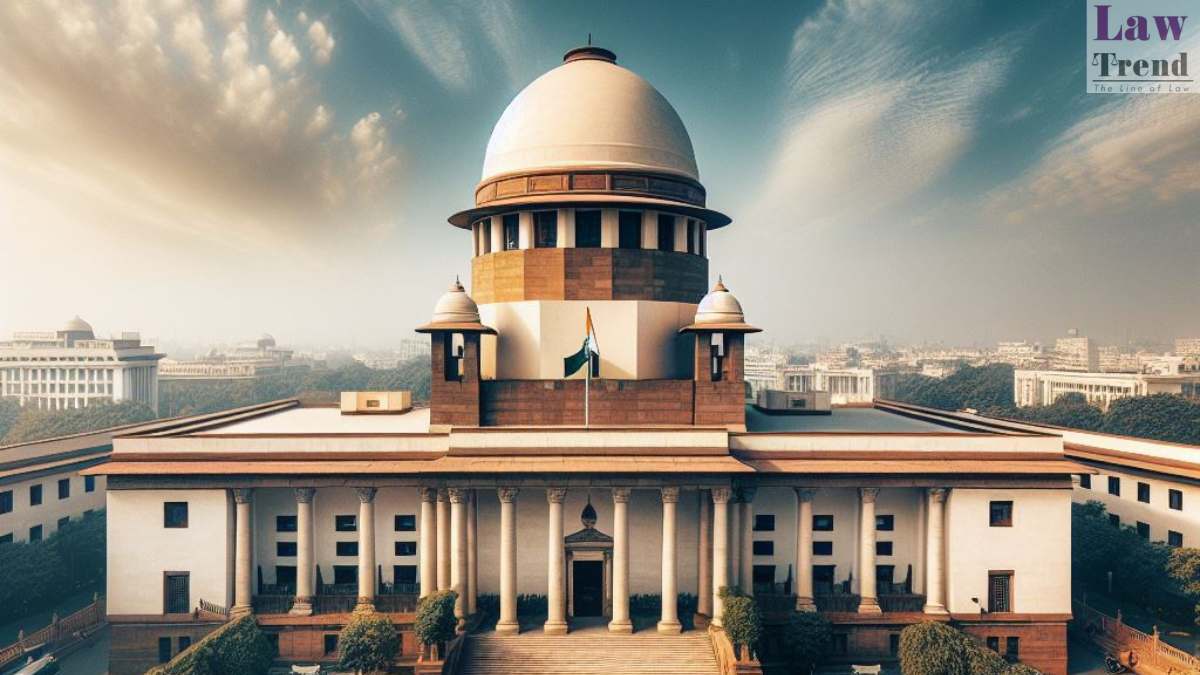
The Supreme Court has postponed the hearing of a plea by the NGO Association for Democratic Reforms (ADR), which demands stringent adherence to its previous judgments concerning the verification processes of electronic voting machines (EVMs). The hearing, originally scheduled for this week, has been deferred to February 11, under the review of a special bench consisting of Chief Justice Sanjiv Khanna and Justice Dipankar Datta.
The NGO’s interim plea calls for the Election Commission to undertake thorough checks and verification of the damaged memory/microcontrollers in EVMs, a request rooted in concerns over electoral transparency and integrity. During the proceedings, Justice Datta referenced a similar past case that was almost dismissed before withdrawal by senior advocate A.M. Singhvi, underscoring the necessity for clear distinctions in current litigation.
Represented by advocate Prashant Bhushan, ADR distanced itself from earlier, unrelated pleas and emphasized the need to access court records from those cases to ensure a fair examination of the present demands. The bench directed the court’s registry to retrieve and present records from the earlier case mentioned by Justice Datta, as well as from another case involving Karan Singh Dalal, to aid in their deliberation.
The underlying issue stems from a pivotal Supreme Court judgment dated April 26, 2024, which set forth specific protocols for checking and verifying crucial components of EVMs, including their memory systems and symbol loading units. The ADR’s application highlights the critical nature of these components and urges the court to enforce strict compliance to safeguard the EVMs’ integrity.
Furthermore, the plea seeks to prevent the Election Commission from erasing the contents of EVMs’ original burnt memory, especially in instances where verification requests are still pending. This comes after the Supreme Court’s prior rejection of calls to revert to traditional paper ballots, citing the enhanced security and reliability of EVMs in preventing electoral malpractices such as booth capturing and bogus voting.
The top court also offered a recourse for candidates who finished second or third in electoral results, permitting them to request the verification of microcontroller chips in five percent of the EVMs per assembly constituency, contingent on a written request and a payable fee.




