

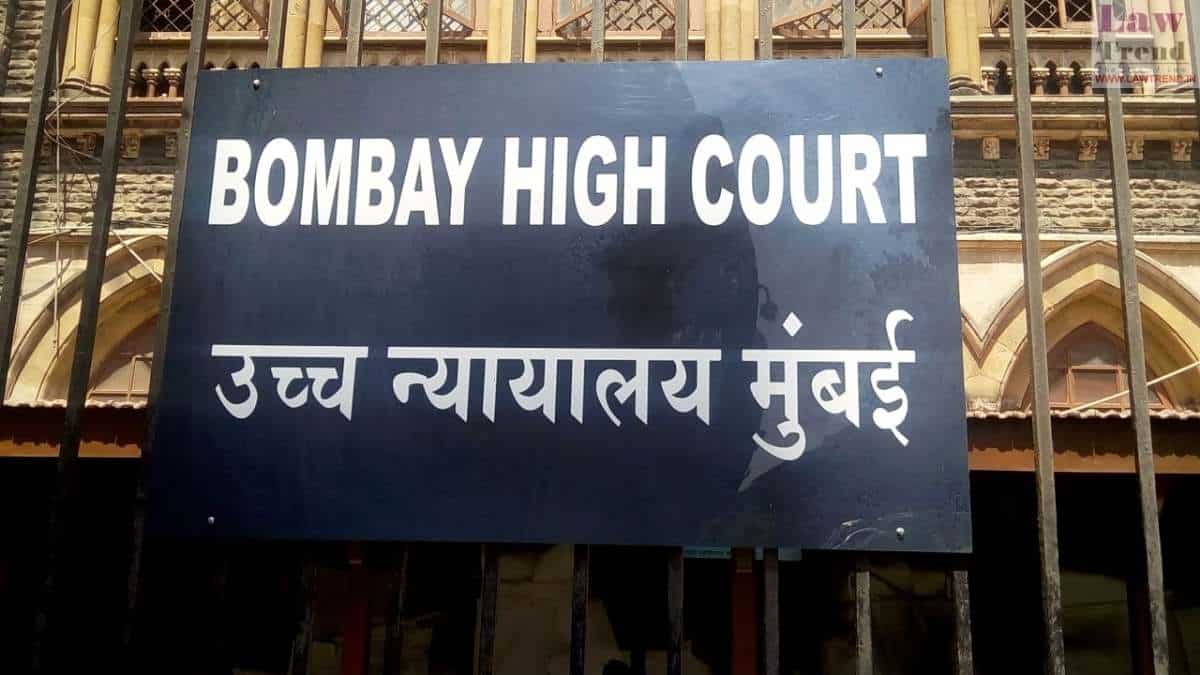
The Maharashtra government has informed the Bombay High Court that a 2014 ordinance which provided for a 5 per cent reservation for the Muslim community lapsed within months of its introduction and was never replaced by legislation. Consequently, the state argued that a recent Government Resolution (GR) issued in February 2024 did not “scrap” an existing quota, as no such quota was legally in force.
The state’s submission came via an affidavit filed by the Social Justice and Special Assistance Department in response to a petition by advocate Syed Ejaz Naqvi. The petitioner had challenged the February 17, 2024, GR, labeling the cancellation of the reservation as “racial discrimination” and a violation of constitutional interests.
The legal roots of the case date back to July 2014, when the then Congress-NCP government announced a 16 per cent reservation for the Maratha community and a 5 per cent reservation for Muslims under the Socially and Economically Backward Class category.
While the Bombay High Court had initially stayed the job reservation for Muslims, it had allowed the 5 per cent reservation in educational institutions to continue. However, the state government now contends that because the ordinance was never converted into an Act of the state legislature, it lost its legal validity by December 2014.
In its affidavit, the Maharashtra government categorically rejected allegations of discrimination. The state maintained that the petition was based on a fundamental “incorrect assumption of fact” regarding the current status of the 2014 ordinance.
Key points raised in the government’s affidavit include:
- Lapse of Ordinance: The July 2014 ordinance providing educational and job quotas lapsed in December 2014 and was never replaced by valid legislation.
- No Enforceable Right: Since the ordinance has lapsed, “no enforceable right survives or can be claimed” by the community based on that old executive order.
- Constitutional Boundaries: The government asserted that the Constitution of India “does not envisage the grant of reservation solely on the basis of religion.”
- Separation of Powers: The state argued that the court cannot direct the legislature to enact specific laws or revive an ordinance that has already expired.
The February 17 GR officially cancelled all previous decisions, circulars, and the 2014 ordinance related to the 5 per cent reservation for the socially and educationally backward Muslim group (included under Special Backward Category-A).
Following this order, the state has stopped issuing caste and non-creamy layer certificates to Muslims under this specific category. The government maintains that this move is “legal, valid, and issued in consonance with statutory provisions,” as no reservation can continue without permanent statutory backing.
The petitioner, advocate Naqvi, has sought the quashing of this GR, arguing it harms the interests of the community. A division bench comprising Justices R. I. Chagla and Advait Sethna is scheduled to hear the matter on May 4.




